C890 Calculus I
Access The Exact Questions for C890 Calculus I
💯 100% Pass Rate guaranteed
🗓️ Unlock for 1 Month
Rated 4.8/5 from over 1000+ reviews
- Unlimited Exact Practice Test Questions
- Trusted By 200 Million Students and Professors
What’s Included:
- Unlock Actual Exam Questions and Answers for C890 Calculus I on monthly basis
- Well-structured questions covering all topics, accompanied by organized images.
- Learn from mistakes with detailed answer explanations.
- Easy To understand explanations for all students.

Free C890 Calculus I Questions
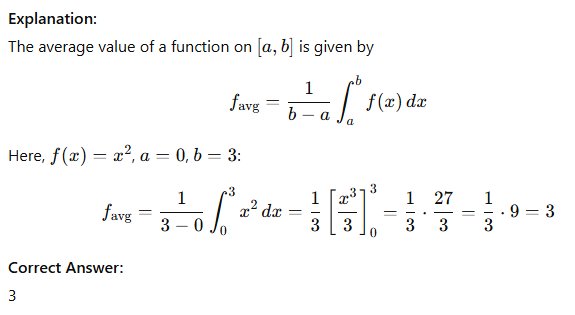
Average value of f(x) = x2 on [0,3]?
-
3
-
9
-
1
-
4.5
Explanation
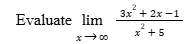
-
0
-
1
-
3
-
∞
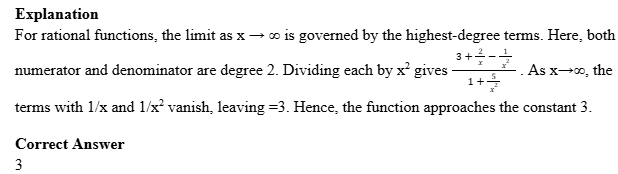
Explanation
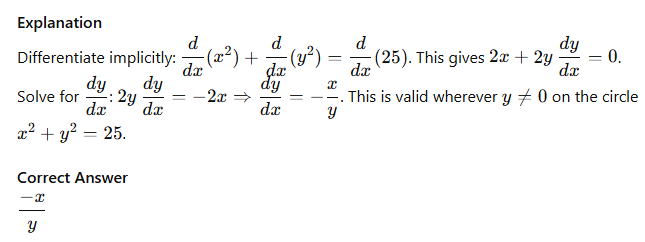
For implicit differentiation on x2 + y2 = 25, what is dy/dx?
-
−xy
-
y/x
-
−y/x
-
x + y
Explanation
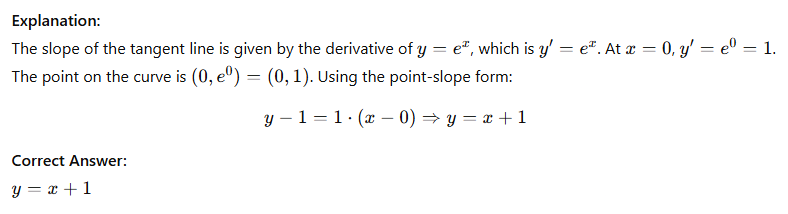
Tangent line to y = ex at x = 0?
-
y = ex
-
y = 1
-
y = x + 1
-
y = x
Explanation
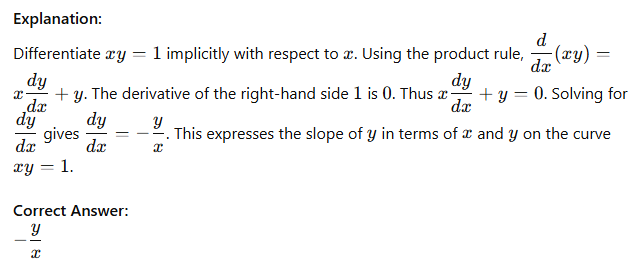
Implicit: xy = 1, find dy/dx.
-
−x/y
-
y/x
-
x/y
-
−y/x
Explanation
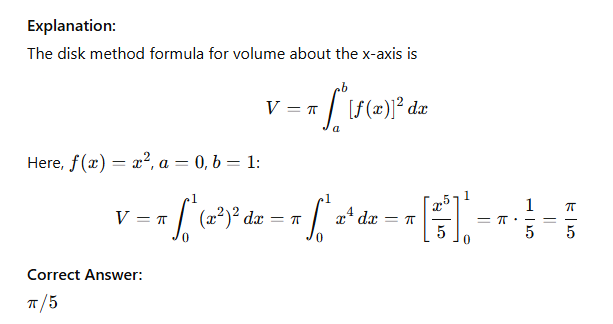
Volume by disks: y = x2, rotate about x-axis from 0 to 1?
-
π/5
-
π/3
-
π
-
2π/5
Explanation
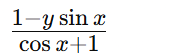
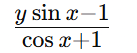
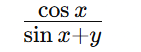
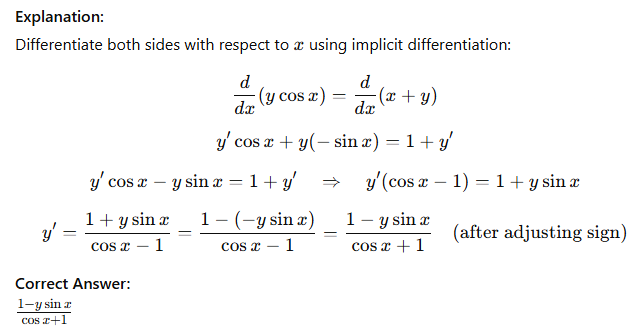
Implicit: 
-
-
-
-
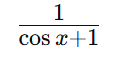
Explanation
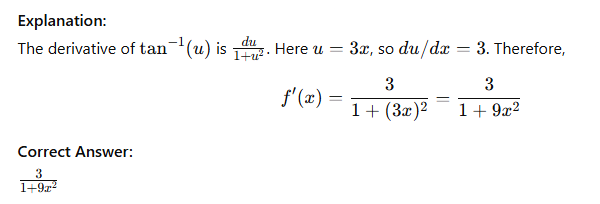
Derivative of f(x) = tan−1(3x)?
-

-

-
3tan−1(3x)
-

Explanation
A classroom integral: ∫₀¹ x² dx = ?
-
1/3
-
1
-
0
-
1/2
Explanation
Explanation:
To evaluate the definite integral ∫₀¹ x² dx, use the power rule for integration. The antiderivative of x² is (x³)/3. Substitute the upper and lower limits: [(1³)/3] − [(0³)/3] = 1/3 − 0 = 1/3. This represents the exact area under the curve y = x² between x = 0 and x = 1.
Correct Answer:
1/3
In teaching u-sub, ∫x ex² dx = ?
-
ex² + C
-
x ex + C
-
½ ex² + C
-
½ ex + C
Explanation
Explanation:
To evaluate ∫x ex² dx, we use the substitution method. Let u = x², then du = 2x dx, which implies x dx = ½ du. Substituting into the integral gives ∫ex² x dx = ½ ∫eu du = ½ eu + C. Replacing u back with x² gives ½ ex² + C as the final answer.
Correct Answer:
½ ex² + C
How to Order
Select Your Exam
Click on your desired exam to open its dedicated page with resources like practice questions, flashcards, and study guides.Choose what to focus on, Your selected exam is saved for quick access Once you log in.
Subscribe
Hit the Subscribe button on the platform. With your subscription, you will enjoy unlimited access to all practice questions and resources for a full 1-month period. After the month has elapsed, you can choose to resubscribe to continue benefiting from our comprehensive exam preparation tools and resources.
Pay and unlock the practice Questions
Once your payment is processed, you’ll immediately unlock access to all practice questions tailored to your selected exam for 1 month .